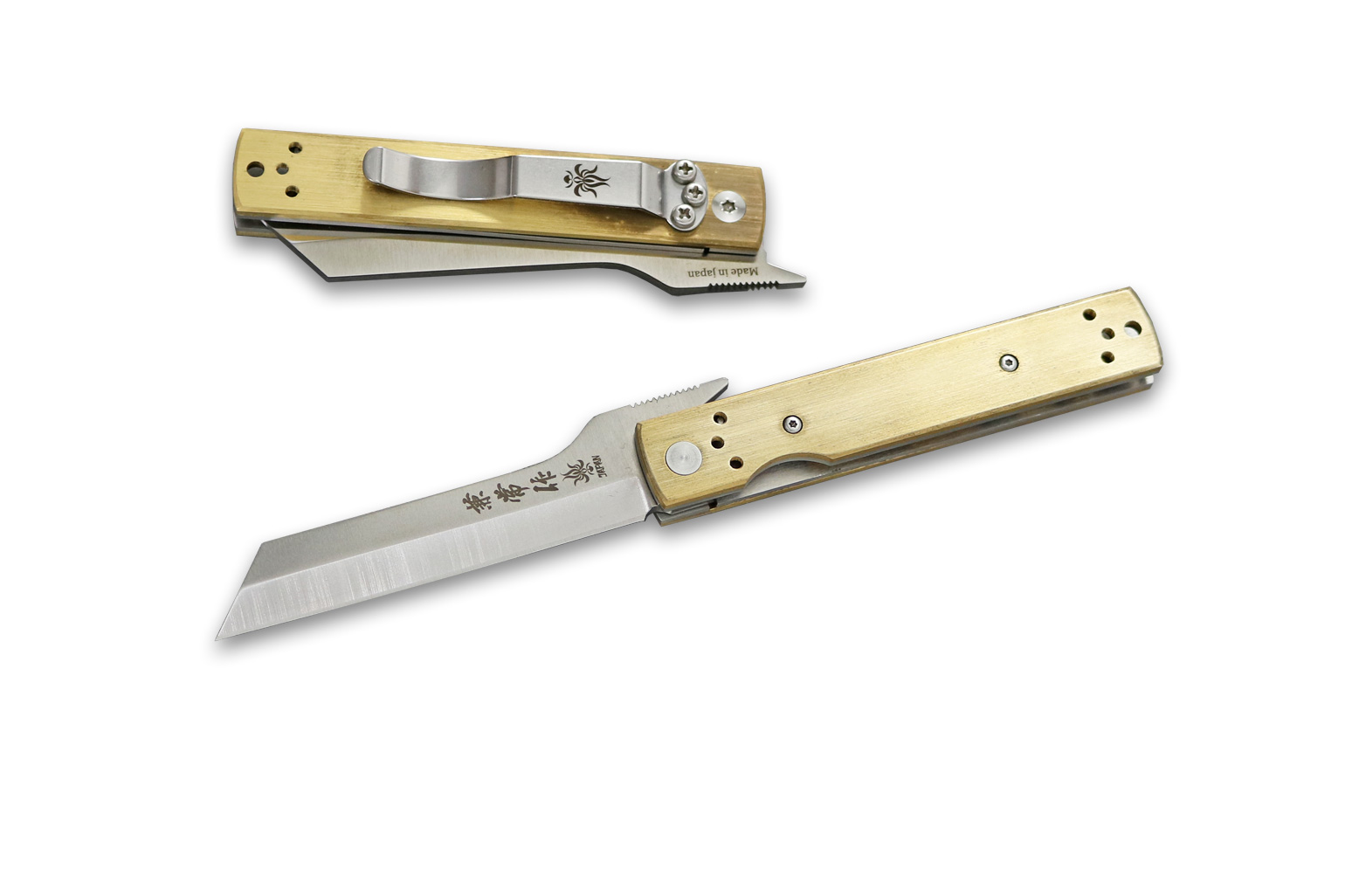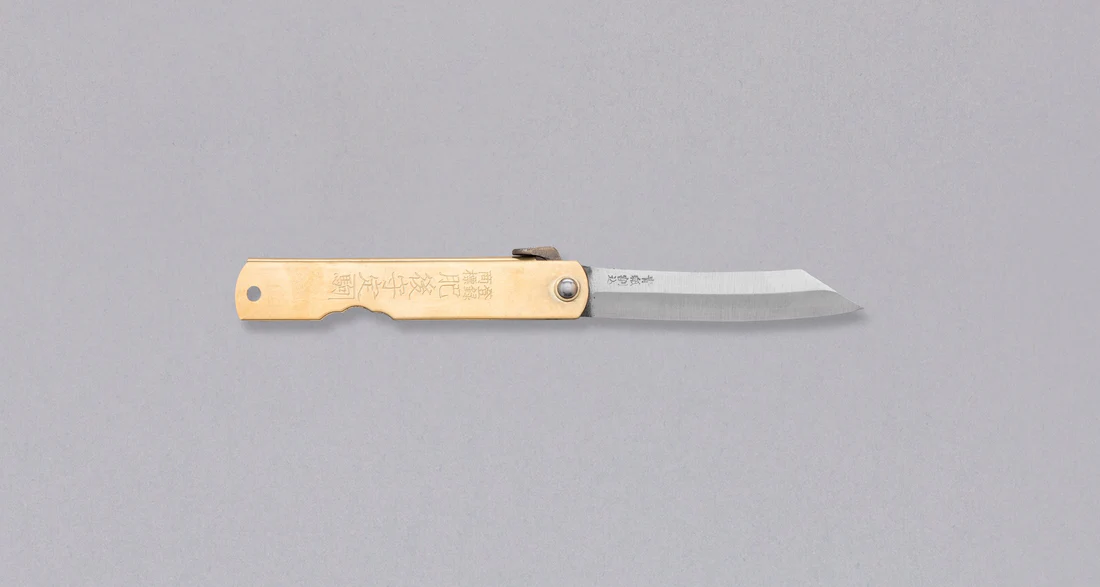
Higonokami is Japan’s most iconic folding pocket knife. The name translates to “samurai/noble from Kami,” while Higo refers to the historical province now known as Kumamoto, on Kyushu Island.
First crafted in 1896 in the blade-making city of Miki, the knife emerged after 19th-century reforms banned the production of weapons. Swordsmiths responded by creating practical tools—among them, the compact and foldable Higonokami, designed in the spirit of the katana.
It quickly became popular across Japan and the US, initially serving as a pencil sharpener. Today, it symbolizes tradition, craftsmanship, and simplicity.
The blade is forged from Aogami #1 steel, clad in two layers of softer steel. With minimal chromium content, it naturally develops a patina that protects the blade and enhances its character. This steel is known for fine sharpness, edge retention, and ease of sharpening.
Higonokami is a small, lightweight knife, straightforward in design and made of premium Japanese steel. Not intended for food use.
Blade length is 80 mm, packaged in a traditional cardboard box.
Care and maintenance:
Hand-wash with warm water and dry immediately.
Clean and oil the blade regularly with camellia, Ballistol, or refined sunflower oil.
Store wrapped in moisture-absorbing paper, away from other utensils.
Sharpen with waterstones and maintain the edge with honing rods.
Avoid cutting frozen food, bones, or misusing (gardening, opening cans, or coconuts).
Do not wash in the dishwasher or use on hard surfaces like glass or marble.
 |
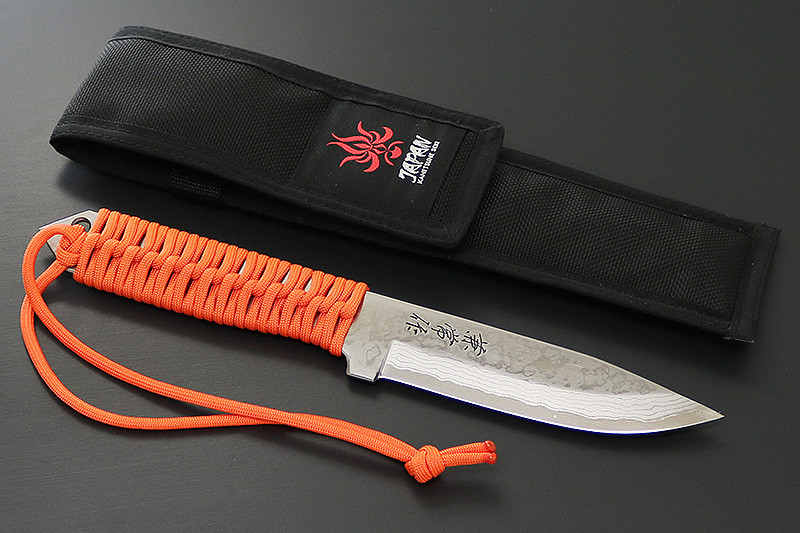
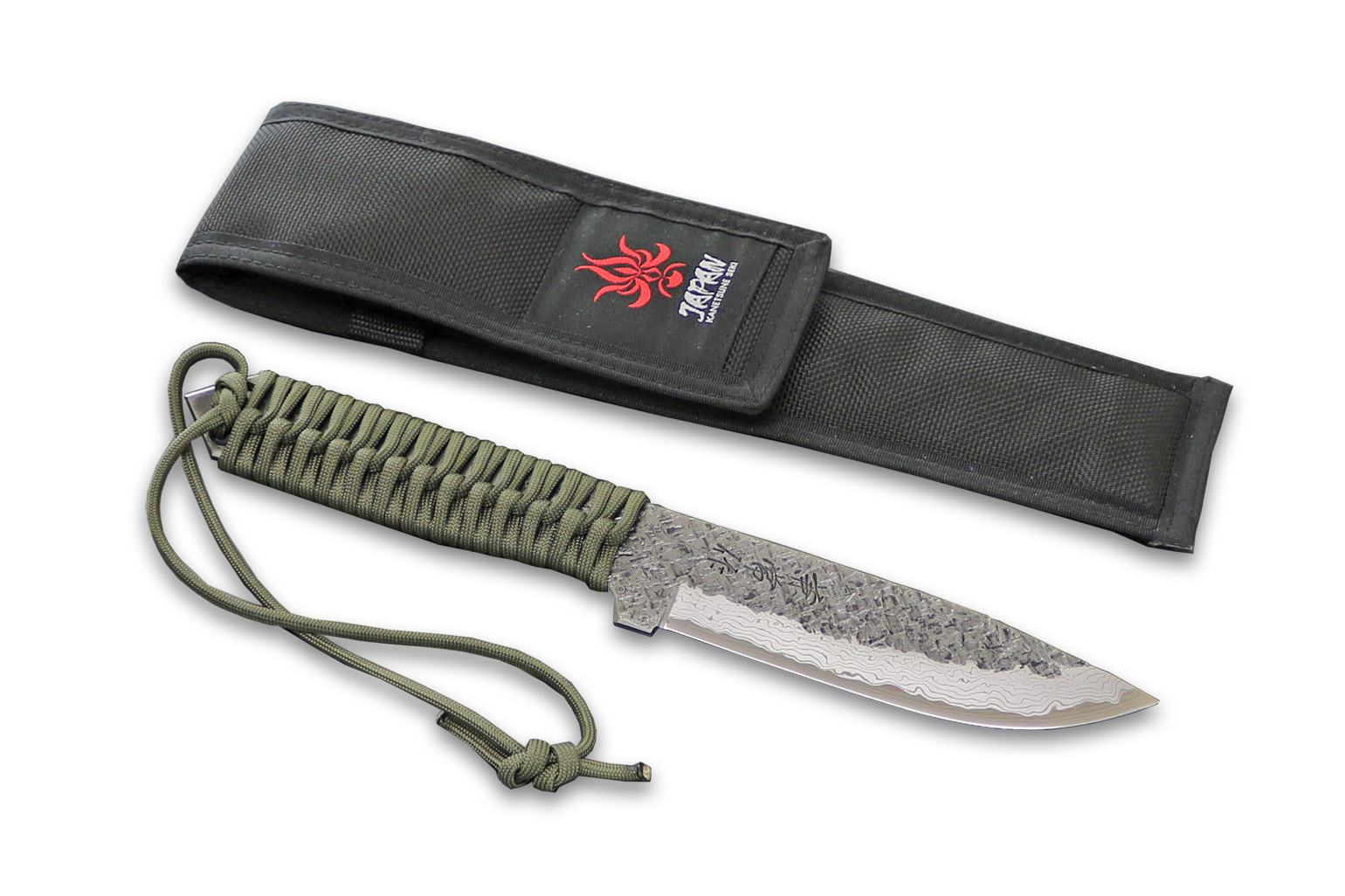
Blade shape: Bunka Steel: VG Max Material: Warikomi / convex v-edge / kuro-uchi Hardness: 61 HRC Weight: 155g Handle type / wood: Japanska / orah Smith: Yoshida Hamono Smith's location: SAGA / Saga Prefektura / Japan |
Care and Maintenance of Japanese Knives
✅ Proper Knife Care
Always hand wash the knife with warm water and dry it immediately with a soft cloth to maintain sharpness and quality.
To keep the edge precise, water stones are recommended for sharpening, while ceramic honing rods help refine the blade during regular use.
Store the knife in a safe place, avoiding contact with other kitchen utensils that could damage the edge.
Use wooden, plastic, or rubber cutting boards to protect the blade and extend its lifespan.
⚠️ Special Note for Traditional Japanese Steels
Japanese knives made from high-carbon steel require extra care to prevent oxidation and rust.
After each use, thoroughly clean the blade with warm water and immediately dry it completely with a soft cloth.
Applying a thin layer of mineral or camellia oil occasionally can further protect the blade from corrosion.
Knives should be stored in a dry place, avoiding prolonged exposure to moisture or contact with aggressive cleaning agents.
? Improper Use
Do not cut on hard surfaces like glass, ceramics, steel, metal tables, or baking trays.
Avoid cutting bones or frozen ingredients, as this can damage the blade edge.
Do not wash the knife in a dishwasher—chemicals and high temperatures can negatively impact the blade and handle.
A Japanese knife is a precision tool, designed for specific culinary tasks. Do not use it for inappropriate activities like chopping bones, opening cans, or handling non-food materials.
Send request